
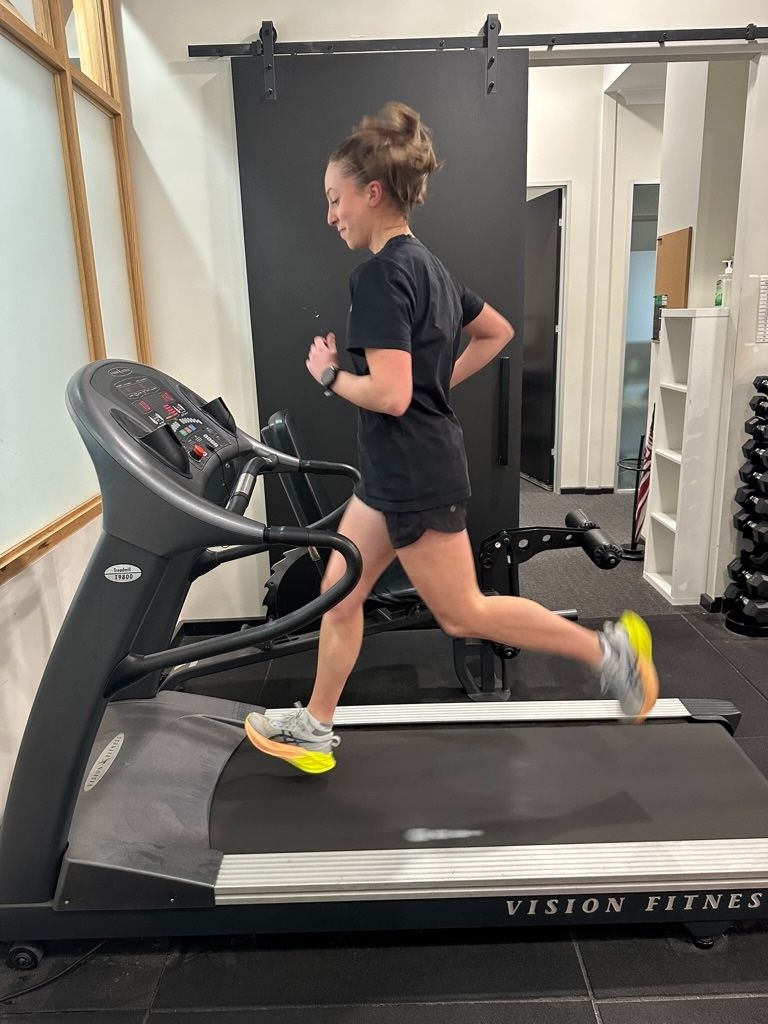
If you're a runner, you don't just want the pain to settle - you want to keep training, stay consistent, and perform at your best. That's exactly how we approach running injuries at The Physio Studio: clear diagnosis, practical treatment, and a structured plan to get you back running with confidence.
Why running injuries happen
Most running injuries don't come from a single event - they often build over time when the load on your body exceeds what it can currently tolerate, for example during a spike in training intensity or volume. Common contributing factors include:
- Rapid increases in training volume or intensity
- Changes in terrain, footwear, or routine
- Reduced strength or control (especially hips, calves, and feet)
- Previous injury history
- Inadequate recovery
Our role is to identify your specific drivers, not just treat the symptoms.
Common running injuries we see
We regularly help runners manage and recover from:
- Knee pain (runner's knee / patellofemoral pain)
- Achilles tendon pain
- Plantar heel pain
- Shin pain (including medial tibial stress syndrome)
- Hamstring and calf strains
- Hip pain related to running load
Our approach to treating running injuries
1. Clear diagnosis
We start by understanding your training history and goals, how your symptoms behave during and after running, and your movement patterns and strength - so we can explain what's going on in simple terms.
2. Keep you running (when safe)
Complete rest is rarely the best solution. Where appropriate, we aim to modify your running to stay within a safe and manageable level - adjusting distance, pace or frequency, using run-walk strategies, or temporary changes to terrain - to maintain fitness while your injury settles.
3. Targeted strength & rehab
Strong, resilient tissues handle running load better. Your program may focus on calf and Achilles strength, hip and pelvic control, foot and ankle capacity, and running-specific loading when you're ready. Exercises are practical, time-efficient and progressed as you improve.
4. Load management
Getting your training load right is one of the biggest factors in recovery. We can help you gradually build volume safely, avoid the "too much, too soon" cycle, and plan around races and key events.
5. Hands-on treatment (when needed)
Manual therapy - soft-tissue treatment, joint mobilisation and pain-relieving techniques - can help reduce pain and improve movement, particularly in the early stages. It supports your recovery, always combined with active rehab.
6. Running technique guidance
Small changes in how you run can reduce stress on irritated areas. Where relevant we may discuss cadence, stride length and load distribution - kept simple, with only meaningful and sustainable changes.
What you can expect
- A clear plan from your first session
- Honest advice about training and timelines
- Support to keep you active where possible
- Progressions tailored to your goals - from returning to parkrun through to marathon prep
When to seek help
It's worth getting assessed if pain is affecting your ability to run consistently, symptoms are worsening or not improving, you're changing your running style to avoid pain, or you've had the same issue more than once. Early guidance often means a faster, smoother return.

Scott Palmer - Owner/Director & APA Sports & Exercise Physiotherapist
Scott is the Owner and Director of The Physio Studio in Goodwood, with a Master of Sports Physiotherapy from La Trobe University. A 5× IRONMAN finisher and former NBL1 basketball player, he has extensive experience helping runners, cyclists and athletes recover from injury, improve performance and stay active for the long term.