
What it is
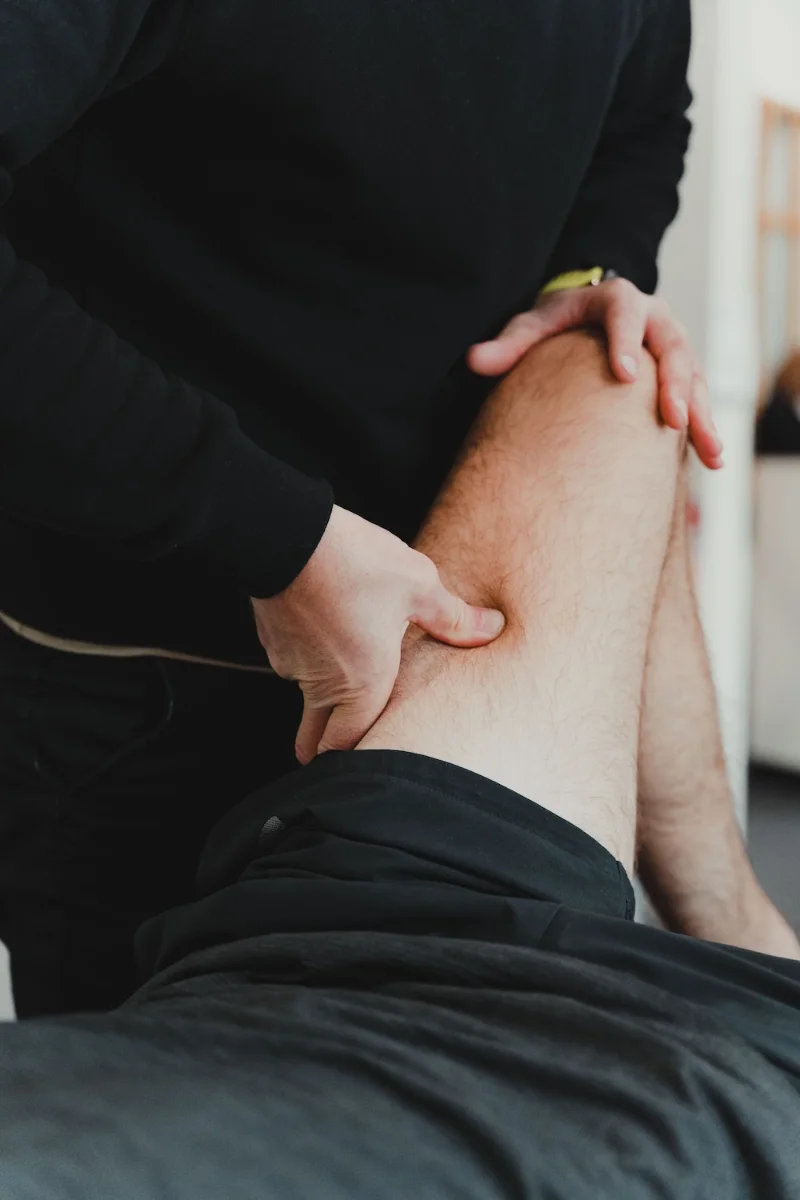
Manual therapy is a broad term for the hands-on techniques a physiotherapist uses to help reduce pain, improve joint mobility and relax tight muscles. It includes joint mobilisation, soft-tissue release, stretching and gentle manipulation, chosen to suit your body and your symptoms.
When we use it
Manual therapy is most effective as one part of a broader, active plan - not a treatment on its own. We use it to help settle symptoms and open a window for movement, then pair it with exercise and education so the benefits last.
Benefits
- Short-term relief from pain and stiffness
- Improved joint and soft-tissue mobility
- Reduced muscle tension and guarding
- A more comfortable base to begin active rehabilitation
What to expect
- A thorough assessment before any hands-on treatment
- Clear explanation of what we are doing and why
- Techniques matched to your comfort and goals
- Exercises to carry the benefit forward between visits
Related: Physiotherapy →

Sean Bushby
Physiotherapist and Director at The Physio Studio, Goodwood, with more than 25 years of experience in musculoskeletal and sports physiotherapy. Sean is a Level 4 DMA Clinical Pilates Physiotherapist and has completed advanced dry needling and acupuncture training, and uses hands-on treatment as one part of an integrated, movement-based plan. He is Head Physiotherapist for Cumberland United Soccer Club, with particular interests in neck pain, shoulder pain and headaches, and lower back and pelvic injuries.
Frequently asked questions
Does manual therapy hurt?
It should be comfortable. Some techniques create a firm but tolerable sensation; your physiotherapist will always work within your comfort and check in with you throughout.
Is hands-on treatment enough on its own?
For most conditions, no. The evidence is strongest when manual therapy is combined with active exercise and advice, which is how we use it here.