
Golf looks gentle, but the swing is one of the fastest rotational movements in sport, and repeating it round after round adds up. The most common golf injuries are lower back pain, elbow pain (golfer’s and tennis elbow), and shoulder, wrist and hip pain. Most build up gradually from a jump in rounds or range sessions, stiff hips or mid-back, or reduced strength, and most settle well with a clear diagnosis and a structured plan, usually without having to stop playing.
Golf looks gentle, but the swing is one of the fastest rotational movements in sport. Repeat it 70 times a round if you’re good (or a lot more if you’re not) and the niggles can add up.
At The Physio Studio, we give golfers a clear diagnosis, practical treatment and a structured plan to get back to playing comfortably.
Why do golf injuries happen?
Most golf injuries build up over time from repeating the same swing, rather than from one single event. Common contributors include:
- A sudden jump in range sessions or rounds, especially after a break
- Stiff hips or mid-back, so the lower back, shoulders or elbows do the extra work
- Reduced strength in the glutes, core, rotator cuff and grip
- Previous injuries
- A desk job, and little recovery between rounds
What are the most common golf injuries?
The injuries we see most often in golfers are:
- Lower back pain: the most common golf complaint, often driven by stiff hips and mid-back
- Golfer’s elbow: pain on the inner elbow, most often in the trail arm (the right arm for a right-handed golfer)
- Tennis elbow: pain on the outer elbow. Despite the name, it is actually more common in golfers than golfer’s elbow, and usually affects the lead arm
- Shoulder pain: rotator cuff irritation at the top of the backswing and through impact
- Wrist pain: tendon irritation from heavy ground contact or thick rough
- Hip and knee pain: stiff hips can contribute to strain in the knees and lower back
Pain affecting your game? Our physios can find out what’s driving it and build a plan to keep you playing.
Book an assessment →How do we treat golf injuries?
1. Clear diagnosis
We help you understand what may be contributing to your pain, from your swing and body to how much golf you’re playing.
2. Keep you playing by managing your load
Stopping golf altogether is rarely the best answer. We build a sensible plan for rounds and range sessions, so you can build back up without flare-ups.
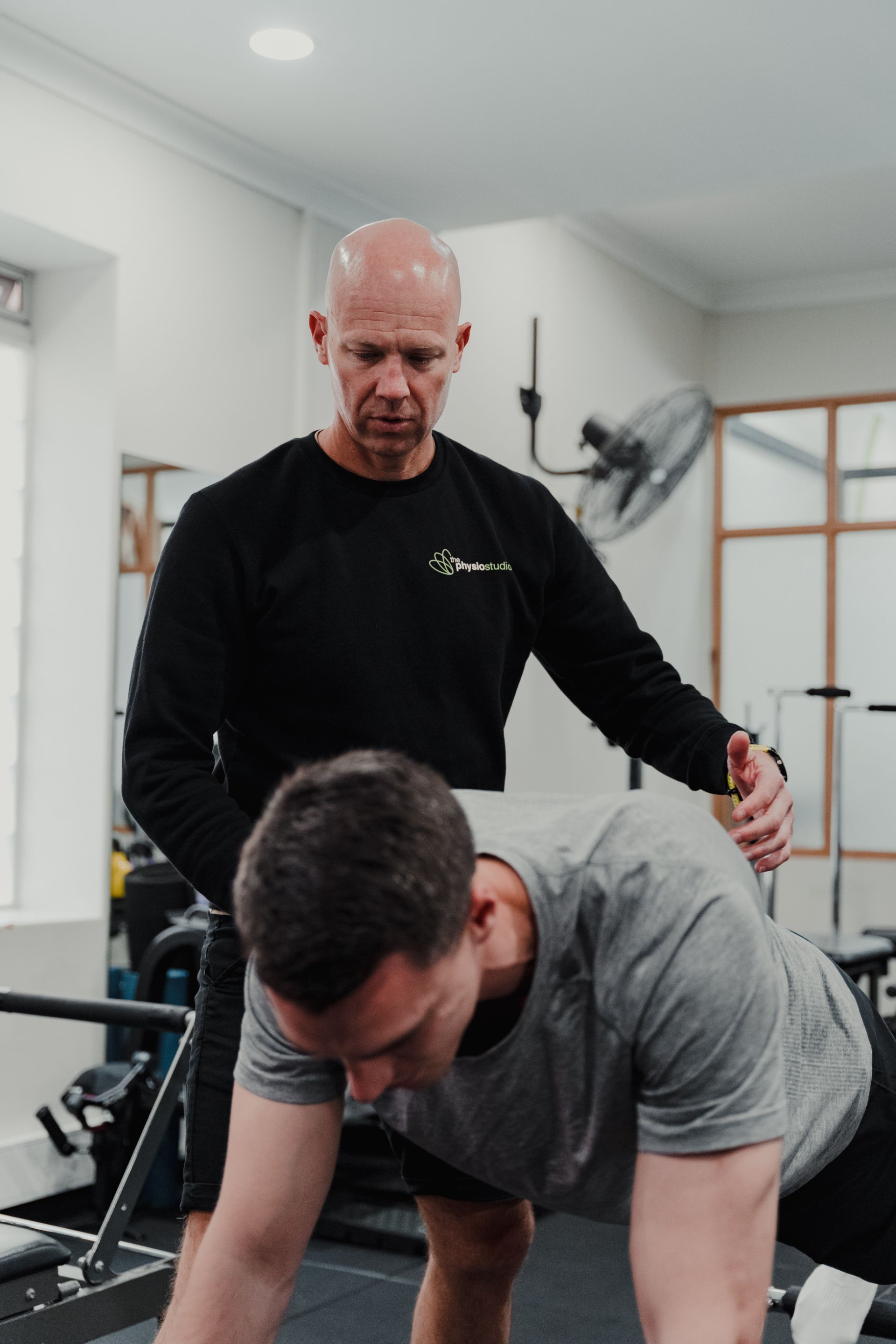
3. Targeted strength and rehab
Progressive exercises for the hips, core, shoulders and forearms your swing relies on.
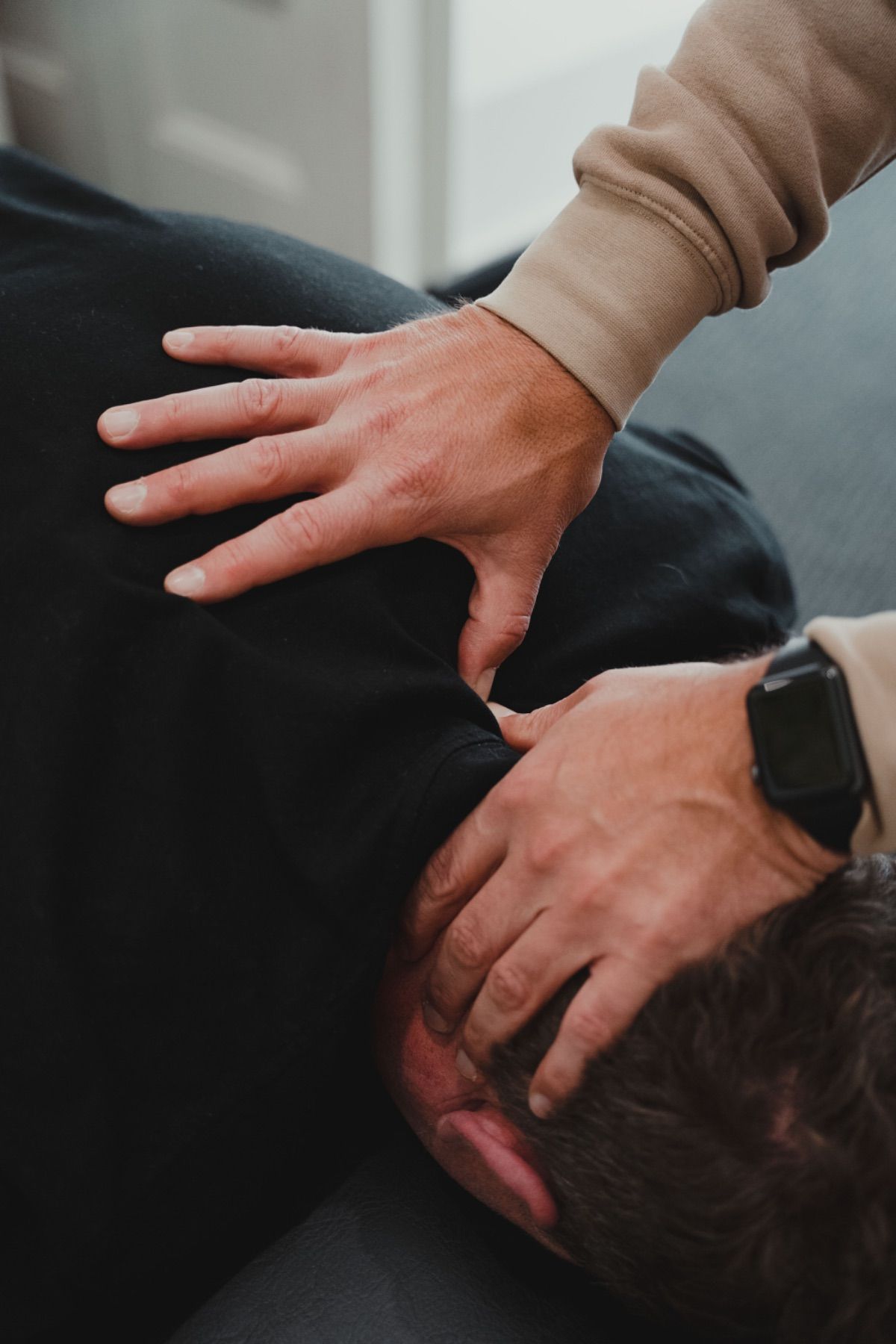
4. Hands-on treatment
Manual therapy to ease pain and stiffness, so you can move more freely.
A simple pre-round golf warm-up
Five to ten minutes before you play makes a real difference:
Pre-round warm-up
- Leg swings: forwards and sideways, 10 each side
- Walking lunges with a trunk rotation: 5 each side
- Open-book rotations: 8 each side, to free up the mid-back
- Practice swings: start at half speed and build to full
When should I see a physio for golf pain?
It’s worth getting assessed if pain:
- is affecting your game
- keeps coming back
- is getting worse, or isn’t settling after a week or two
- wakes you at night
- has you changing your swing to avoid it
Early guidance usually speeds up recovery. You don’t need a referral to see us.
Frequently asked questions
Why does my lower back hurt after golf?
Lower back pain is the most common golf complaint. It is often driven by stiff hips or a stiff mid-back, which makes the lower back do more of the rotation, especially after a jump in rounds or range sessions. Improving hip and mid-back mobility and building glute and core strength usually helps.
Can I keep playing golf with golfer’s or tennis elbow?
Often, yes, with some changes. Reducing range sessions, avoiding hitting off mats or out of heavy rough, and starting a progressive forearm strengthening program usually lets you keep playing while it settles.
What is the difference between golfer’s elbow and tennis elbow?
Golfer’s elbow causes pain on the inner side of the elbow, and tennis elbow on the outer side. Both are tendon problems caused by repeated gripping and loading, and both are common in golfers.
How should I warm up before golf?
Five to ten minutes is enough: leg swings, walking lunges with a trunk rotation, open-book rotations for the mid-back, then practice swings starting at half speed and building up.
Do I need a referral to see a physio for a golf injury?
No. You can book directly with our physios in Goodwood. If you have a referral from your GP, for example for a Medicare care plan, we can work with that too.
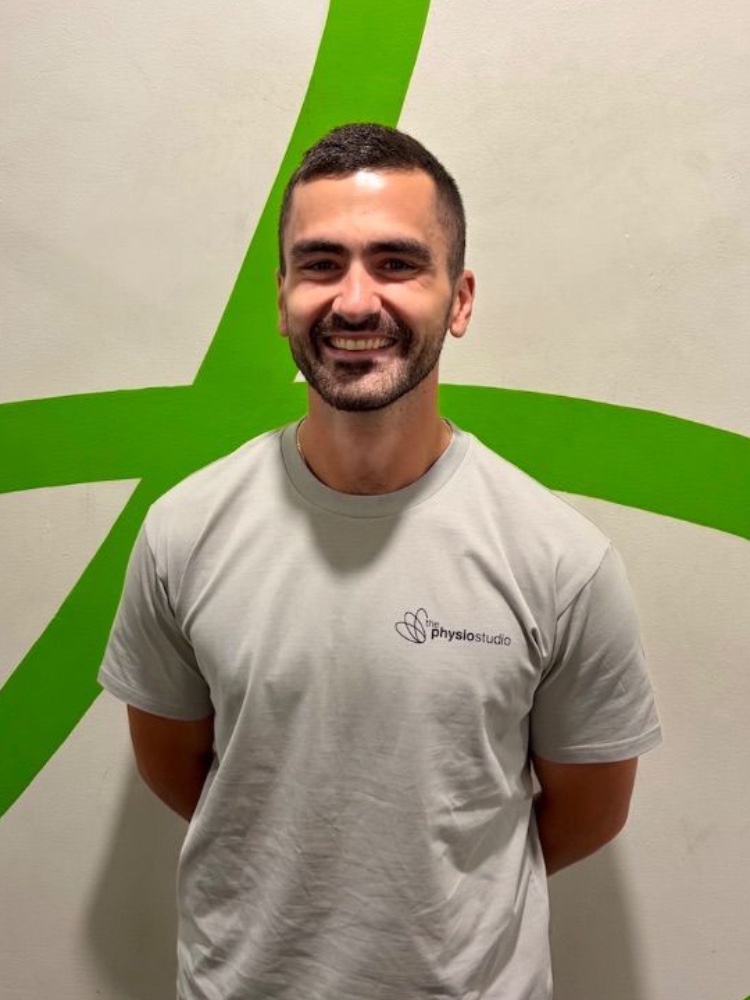
Michael Skouroumounis, Physiotherapist
Michael is a physiotherapist at The Physio Studio with a strong interest in sporting injuries, muscle and joint pain, and active rehabilitation. A keen golfer with a background in Australian Rules football, he understands the physical demands of sport and the importance of returning to the game safely and confidently.
This article is general information and not a substitute for individual advice. Published 26 November 2026. Clinically reviewed November 2026 by the physiotherapy team at The Physio Studio.
Related: Sports physiotherapy · Back pain · Shoulder pain · Sports injuries